American traditional tattoo: the machine, the flash wall and the bold line
American traditional, also called old school, is a tattoo style of bold black outlines filled with a few saturated colours, mainly red, yellow and green, with motifs that come from sailor tattoos. It grew up in American port cities after the first electric tattoo machine was patented in New York in 1891.
New York, 1891: the machine
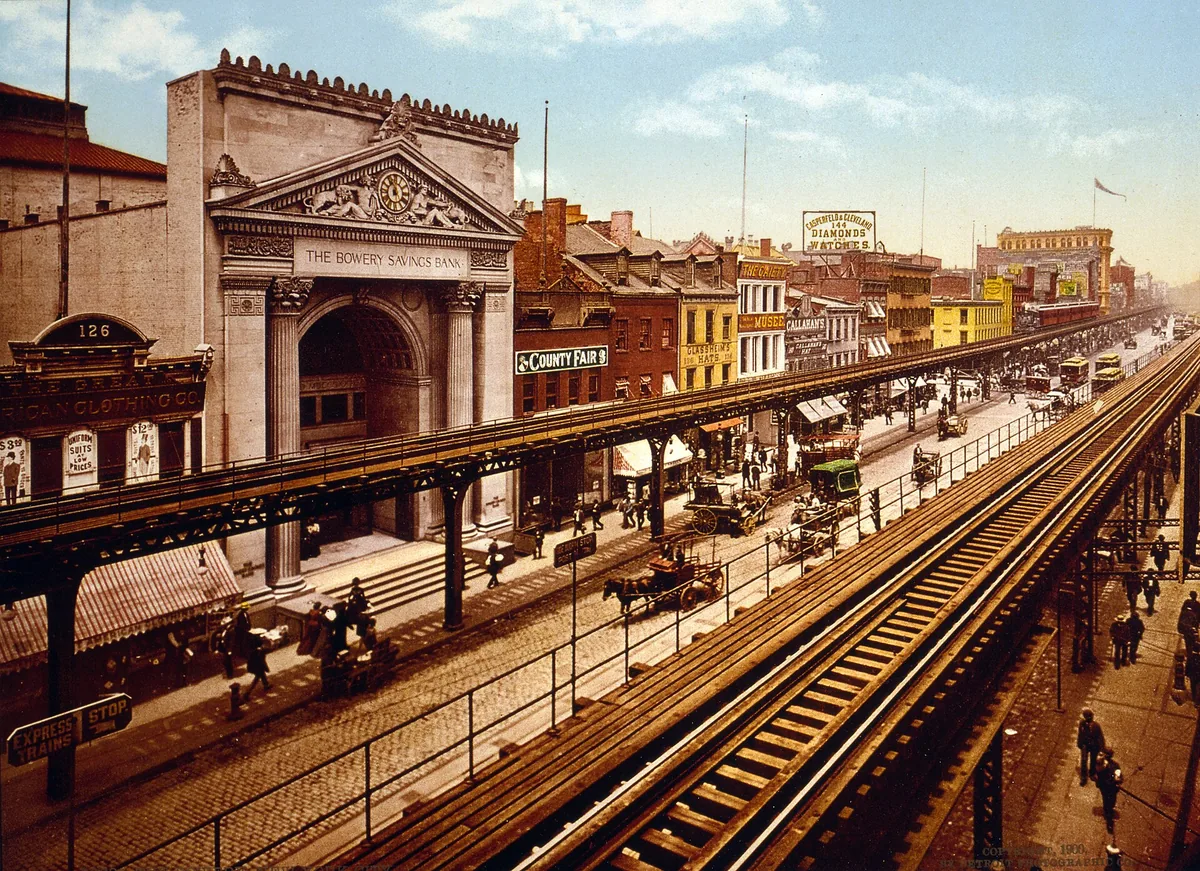
Samuel O'Reilly tattooed out of Chatham Square, at the bottom of the Bowery in New York. On 8 December 1891 he was granted patent number 464,801 for a tattooing machine. He had adapted it from Thomas Edison's electric pen, a device made for cutting stencils.
The Irish Times puts a tattooer working by hand at two or three punctures a second, and O'Reilly's machine at about fifty.
Flash on the shop wall
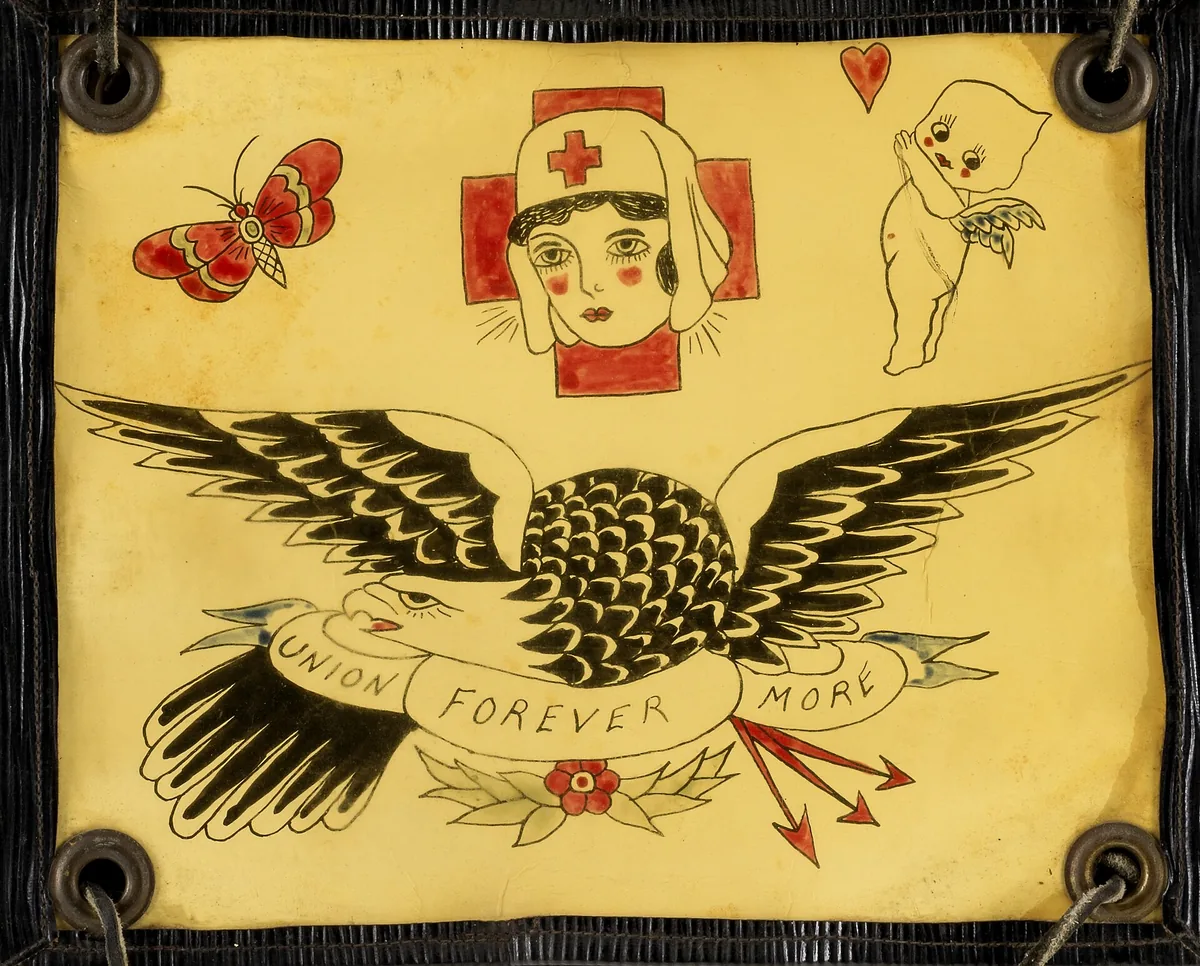
With a machine, a tattooer could work on far more customers in a day. Tattooers painted sheets of designs, called flash, with eagles, anchors, roses, daggers and swallows on them. They sold the sheets to one another, shop to shop and port to port, and hung them on the wall for walk-in customers.
Nobody owned the designs. C. W. Eldridge of the Tattoo Archive, quoted by Collectors Weekly, calls them "copyright-free and in the public stream". A sailor could walk in, point at the wall and leave wearing what he had pointed at.
Honolulu in the 1930s: Sailor Jerry
Norman Collins joined the US Navy at 19. By the 1930s he was in Hawaii, where he became known as Sailor Jerry and worked in the shops on Hotel Street in Honolulu. Honolulu Magazine describes sailors on shore leave queueing there for three-dollar tattoos.
Collins mixed his own pigments. He sterilised his equipment in an autoclave at a time when few shops did, and he redrew the old flash designs using what he had learned from Japanese tattooing. He died on 12 June 1973. The Japanese tattoo page covers the tradition he studied.
What defines the style
Wikipedia's definition is short: bold black outlines and a limited colour palette, with motifs influenced by sailor tattoos. The colours it names are bright, saturated yellow, red and green, with black shading. Its list of designs includes the swallow, heart, anchor, eagle, panther, snake, dagger, rose and nautical star, and it traces many of them to tattoos that were popular among military service members during the Second World War.
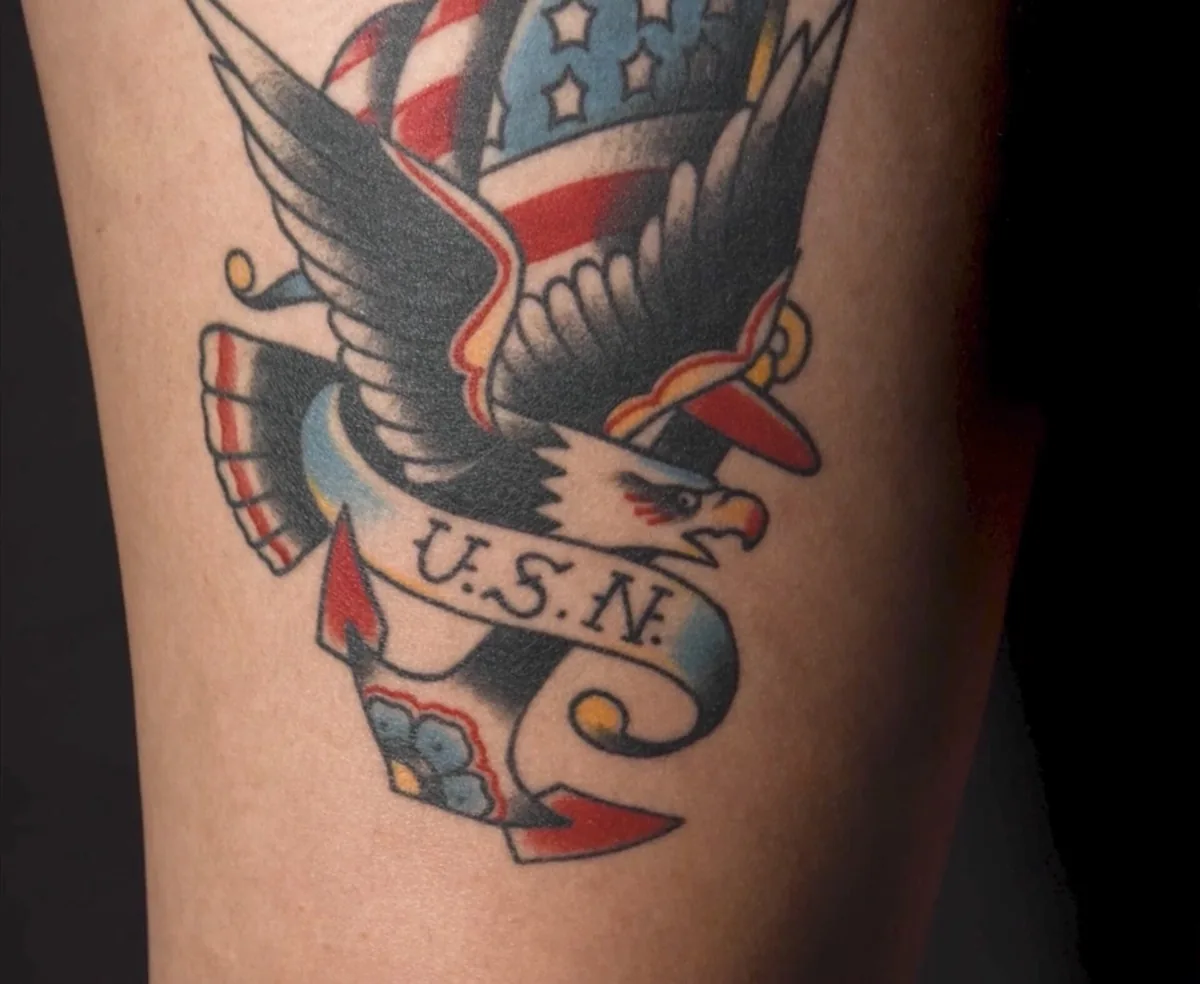
The tattoo historian Matt Lodder, also quoted by Collectors Weekly, calls them "simple and stripped-down enough that they look great in the skin". Mors, a traditional tattooer in Leeds, told Tattoo Life that he works with a single weight of bold line and three or four colours at most, so that a piece is readable from a long way off.
Tattooers in the style disagree about how much to change. Some keep the classic designs as they were, and others start from them and add something of their own. Laurent Trelaun, in the same magazine, describes his way of working as "looking at classic designs and then building off of them".
How American traditional tattoos age
The trade has a saying for why the lines are thick: bold will hold. Nobody knows who said it first, and Tattoo Life notes that the tattooer Samuele Briganti named both his shop and his book after it.
Ray Studios, a studio that has written about ageing, says "a very fine line can double in width, without the tattoo being considered a failure", and that fine-line tattoos are the most vulnerable. The reasoning in the trade is that a thick outline with open colour inside has more room to spread before the design changes. Wikipedia makes the same claim about the palette: the colours are applied so that they stay clear over a person's lifetime.
Size and placement
A flash design is a single, self-contained image, made to be chosen from a wall. The pages for an 8 cm tattoo and a 12 cm tattoo describe what fits at each size, and the placement pages for the forearm, upper arm and calf cover three places where one upright image has room.
Placement affects ageing too. Ray Studios says tattoos change more quickly on the hands, fingers, neck, feet and ribs, and that the upper back and thighs generally hold up better.
Questions
What is an American traditional tattoo?
A tattoo with bold black outlines and a limited palette of saturated colours, usually red, yellow and green with black shading. The motifs come from sailor tattoos: swallows, anchors, eagles, daggers, roses, hearts. It is also called old school, Western traditional or simply traditional.
Why are American traditional tattoos so bold?
So that they stay readable. Tattooers sum it up as "bold will hold". Ray Studios notes that a very fine line can double in width over the years, and a thick outline with open colour inside has more room to spread before the design changes.
Who invented the electric tattoo machine?
Samuel O'Reilly, a tattooer at Chatham Square in New York, was granted US patent 464,801 on 8 December 1891. His machine was adapted from Thomas Edison's electric pen, a device for cutting stencils, and made about fifty punctures a second.
What is tattoo flash?
Flash is a sheet of ready-drawn tattoo designs. Tattooers painted sheets, sold them to each other and hung them on the shop wall, so a walk-in customer could point at a design and have it tattooed.
See a design on a body before you choose
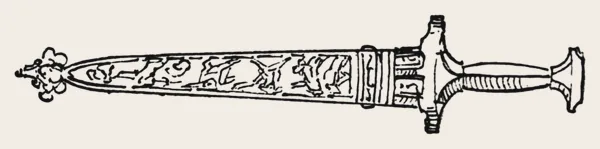
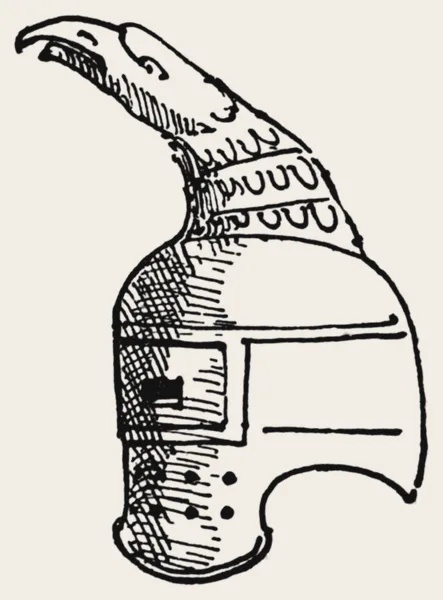
plan.tattoo is a free tool that runs in the browser. You put a design on a 3D plaster cast, type its size in centimetres and turn the cast to see it from every side, and you do not need an account to try it. Its own flash comes from a 1911 book of arms and armour. These are black line engravings, so they are not American traditional, but a dagger and an eagle-crested helm are close to two of the style's oldest subjects. The whole set is on the flash page.
Sources: Tattoo Archive: Samuel O'Reilly · Wikipedia: Samuel O'Reilly · The Irish Times: The Irish-American who invented the modern tattoo machine · Wikipedia: Flash (tattoo) · Collectors Weekly: The nautical roots of the modern tattoo · Wikipedia: Sailor Jerry · Honolulu Magazine: Hotel Street · Wikipedia: American traditional · Tattoo Life: Samuele Briganti and Bold Will Hold · Tattoo Life: The lines of traditional, by Mors · Ray Studios: Why some tattoos blur over time