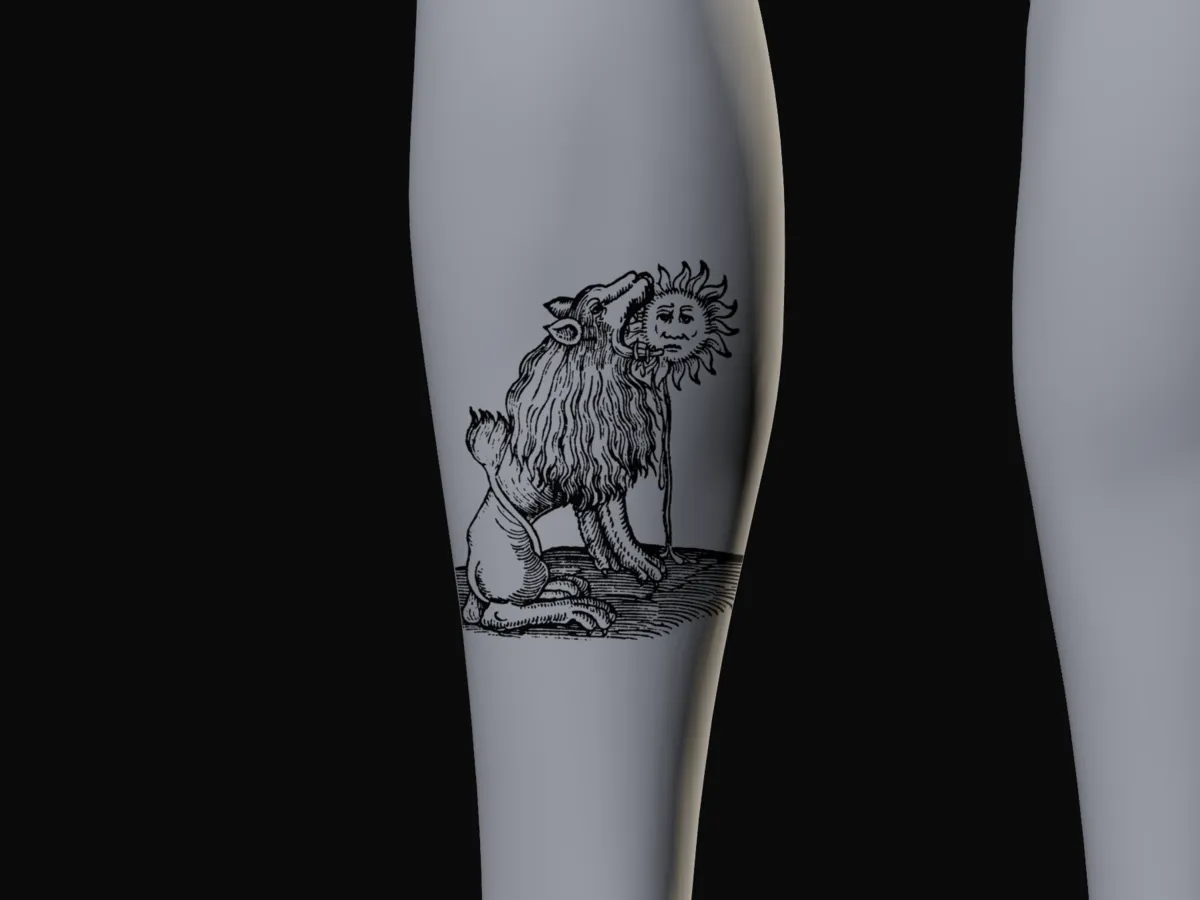
Tattoo placement guide
updated
A good placement follows the body: a long design suits a long area (the forearm, spine, calf), and a wide one suits a wide area (the upper back, chest). Choose the area by the shape of the design and by how often you want to see it, then check how it wraps the curve before you commit.
Forearm
Long and narrow, so it suits upright designs: snakes, florals, script. One of the most visible spots; short sleeves show it. The inner forearm stays flat; the outer side curves and twists with the wrist.
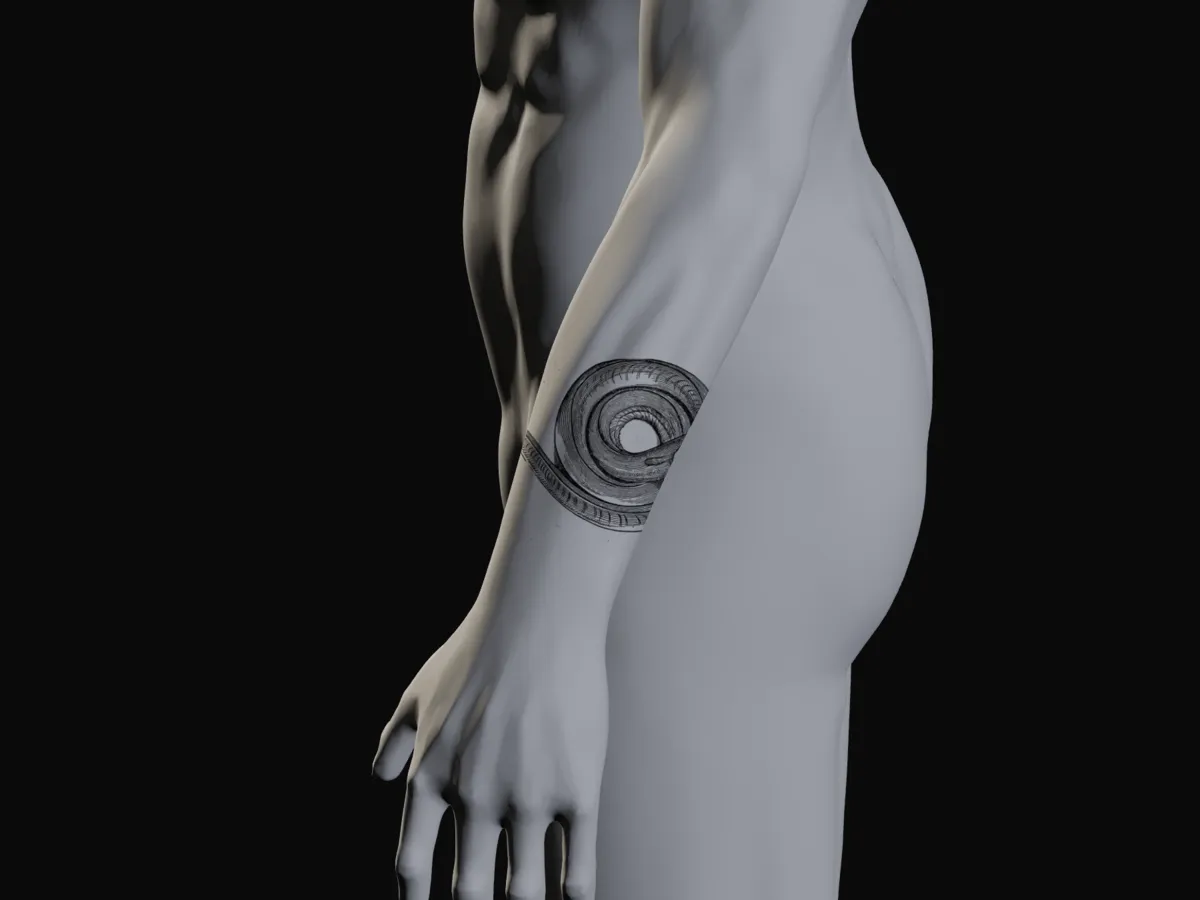
Upper arm
A rounded block, good for compact designs and the start of a sleeve. Covered by a T-shirt sleeve. The outer arm curves away at the edges, so wide designs bend out of view.
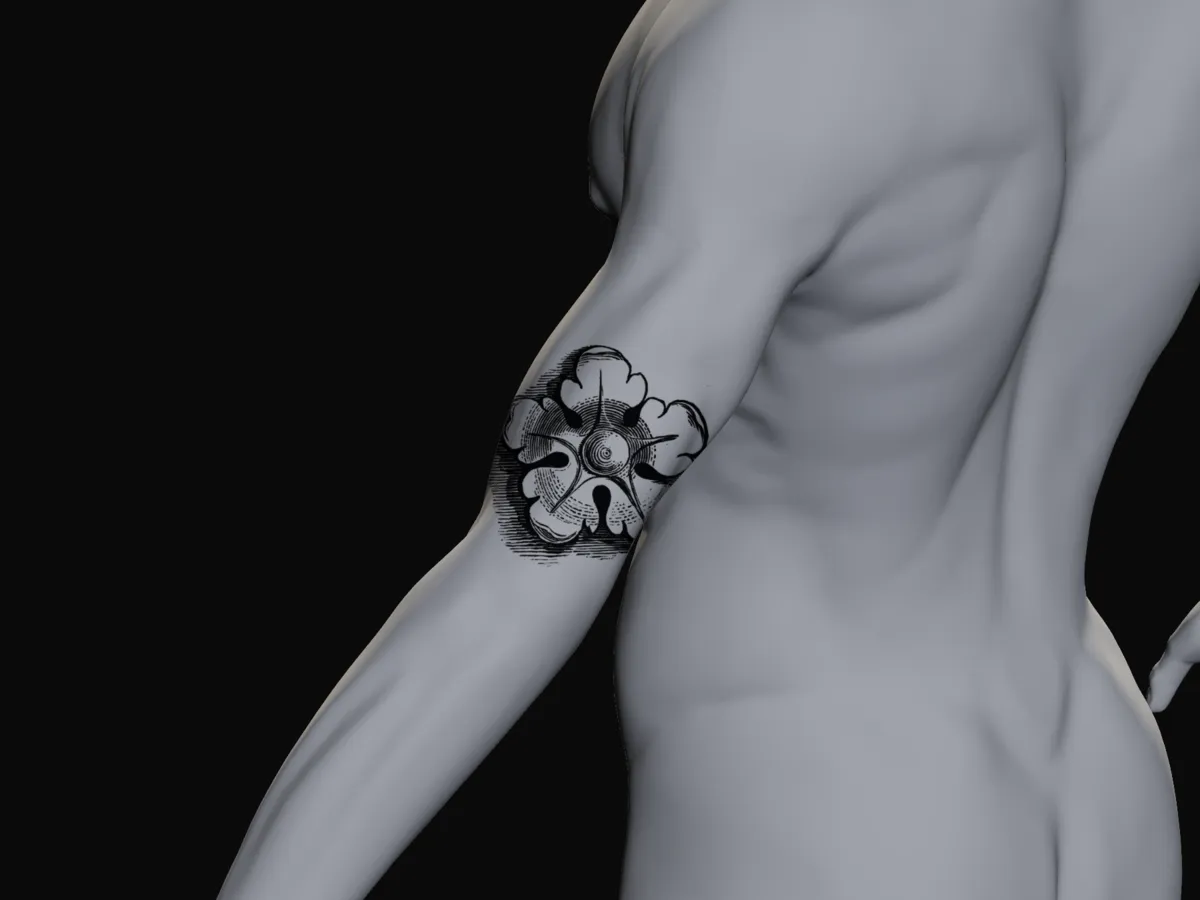
Upper back
The widest flat area on the body: wide, symmetrical pieces and wings. Fully hidden by clothes. The shoulder blades move under it, so centre a symmetrical design on the spine.
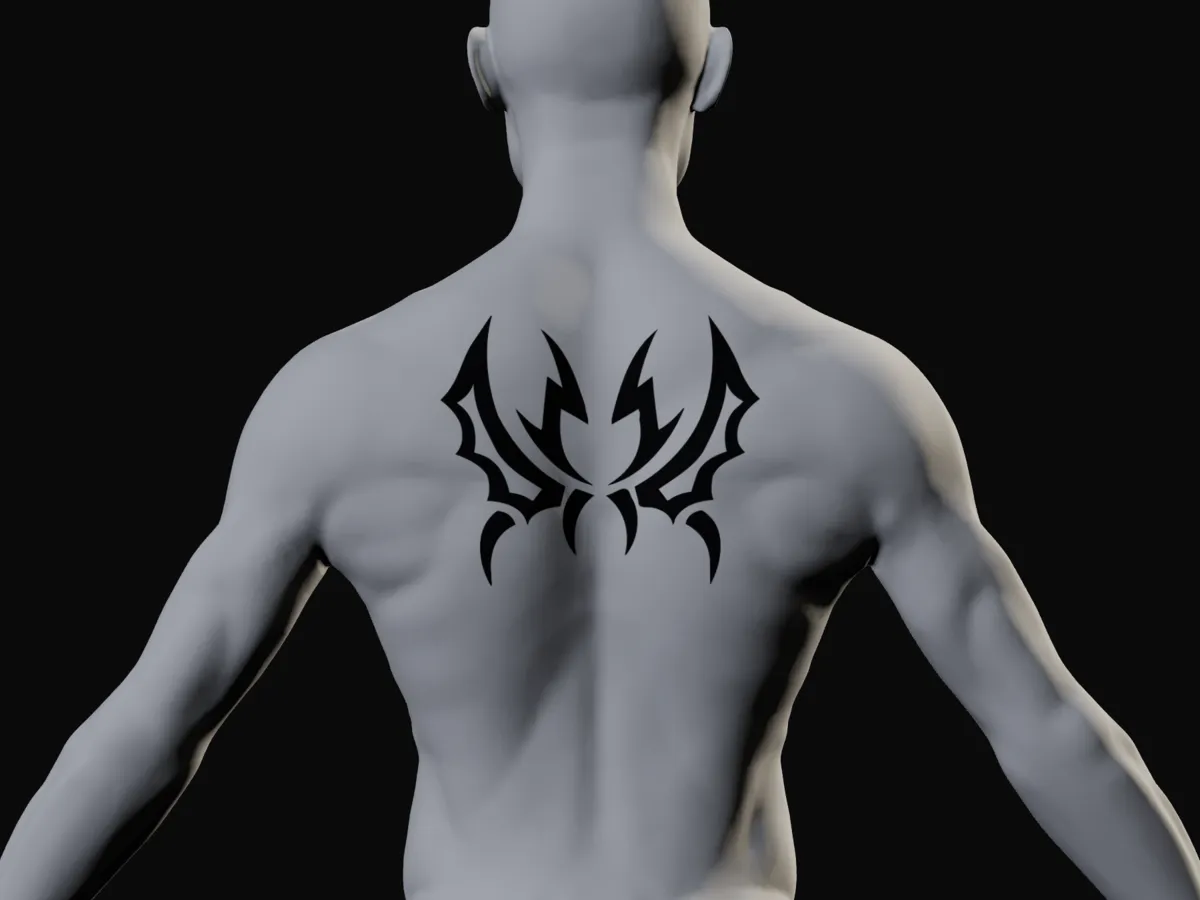
Spine
A long, narrow line: vertical script, chains, spines of symbols. Hidden by clothes. It follows the curve of the back, so a design that looks straight lying flat bends when you stand.
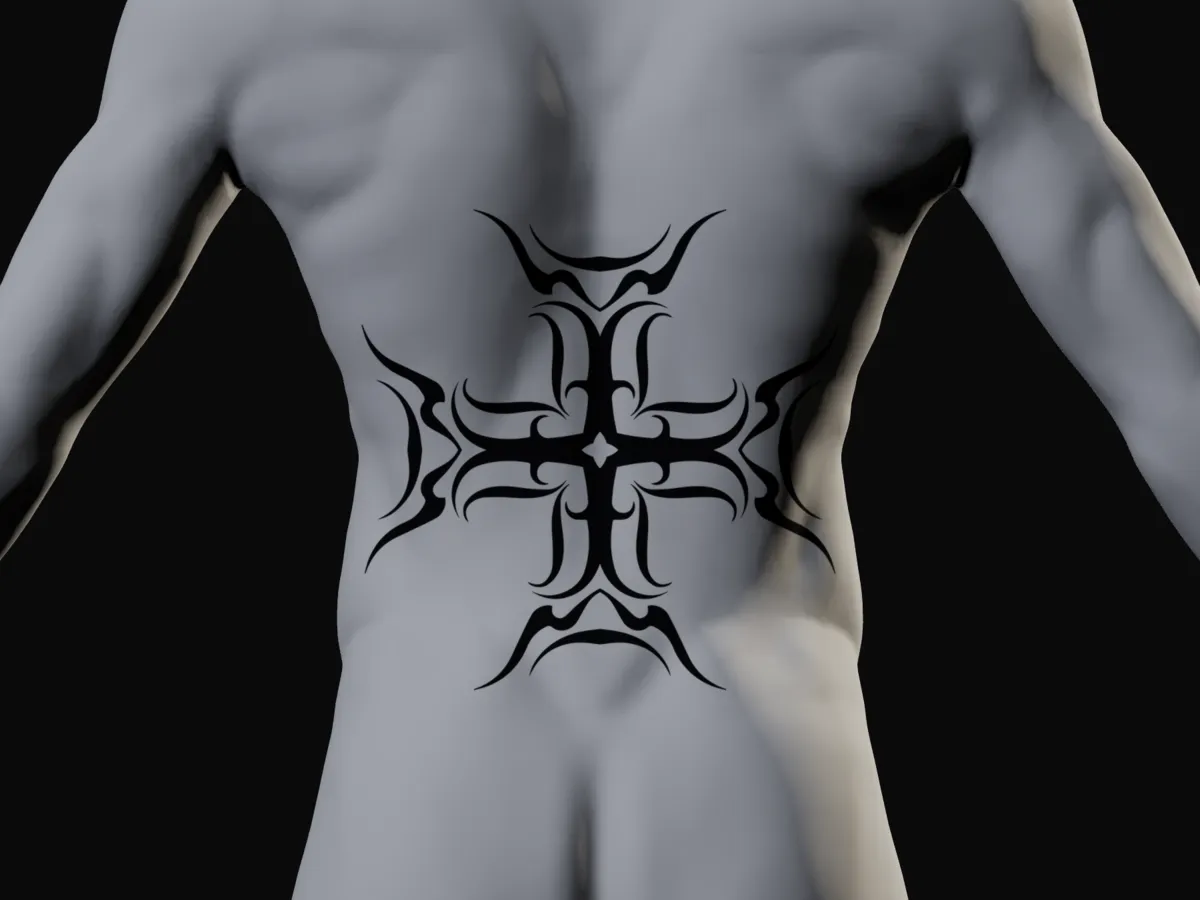
Chest
Wide across both sides or one side alone; a chest piece spans the collarbones. Hidden by most shirts. The muscle shifts when the arms move, and the centre line has to sit on the breastbone.
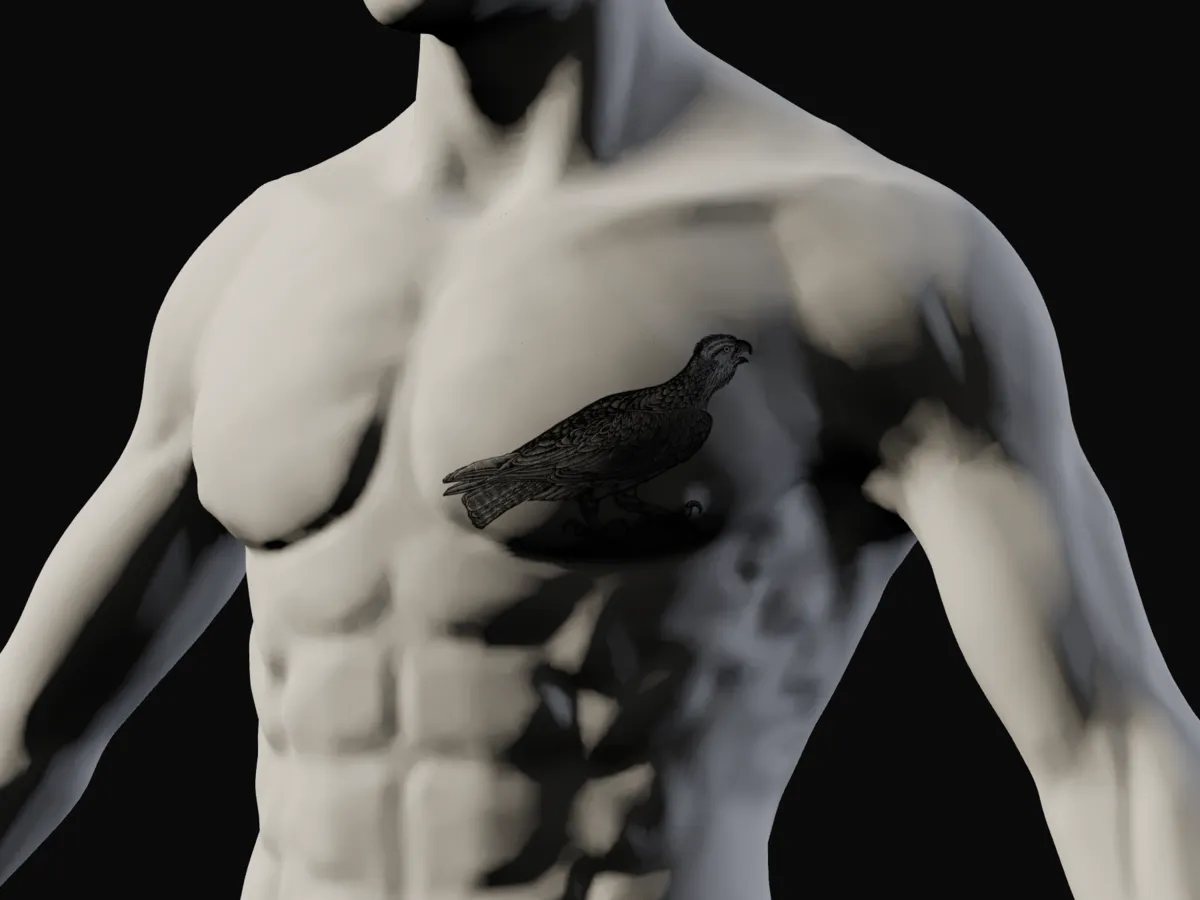
Ribs / side
Long and gently curved, for tall designs that flow with the body. Hidden by clothes. It moves with breathing and wraps around to the back, so check it from the side.
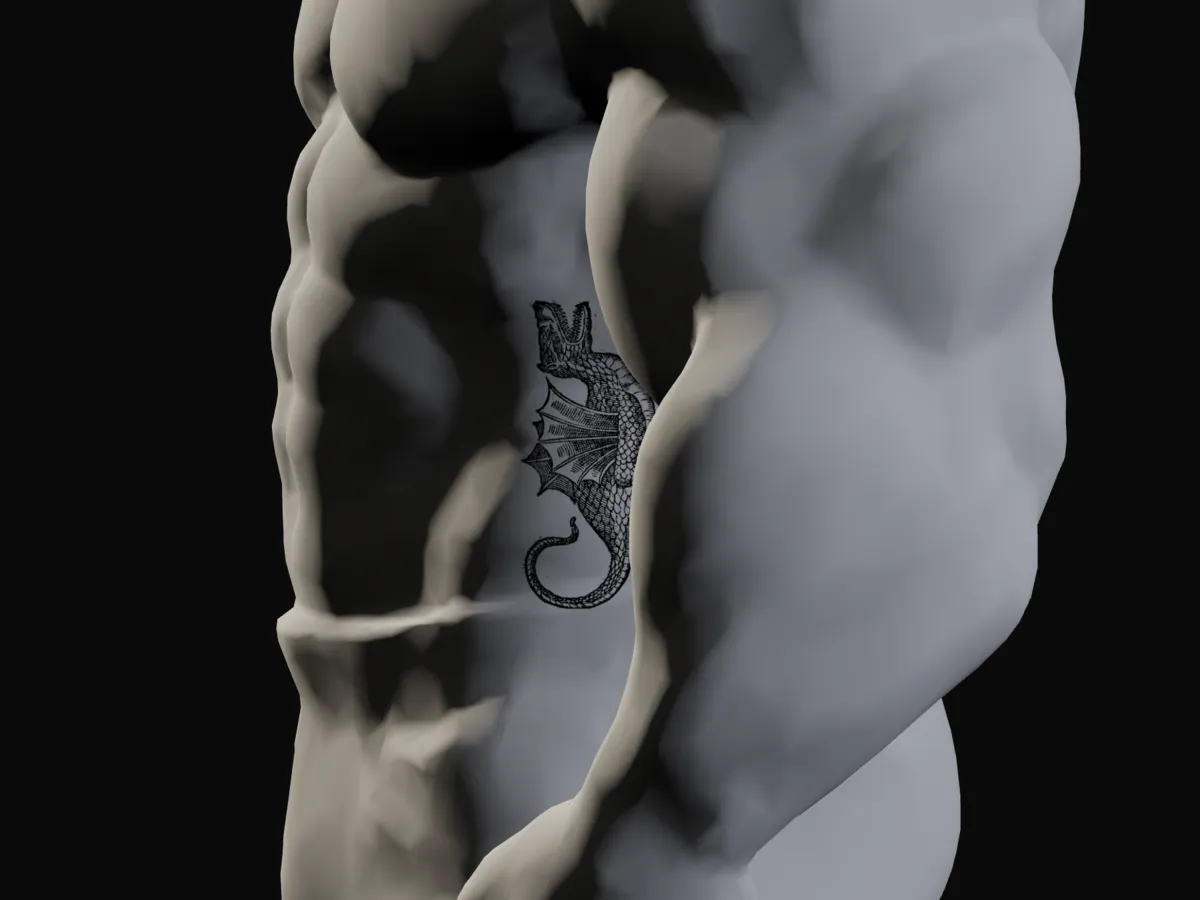
Thigh
Large and broad, for big pieces that need room. Hidden by trousers, shown by shorts. The front is flatter; the outer thigh curves away.
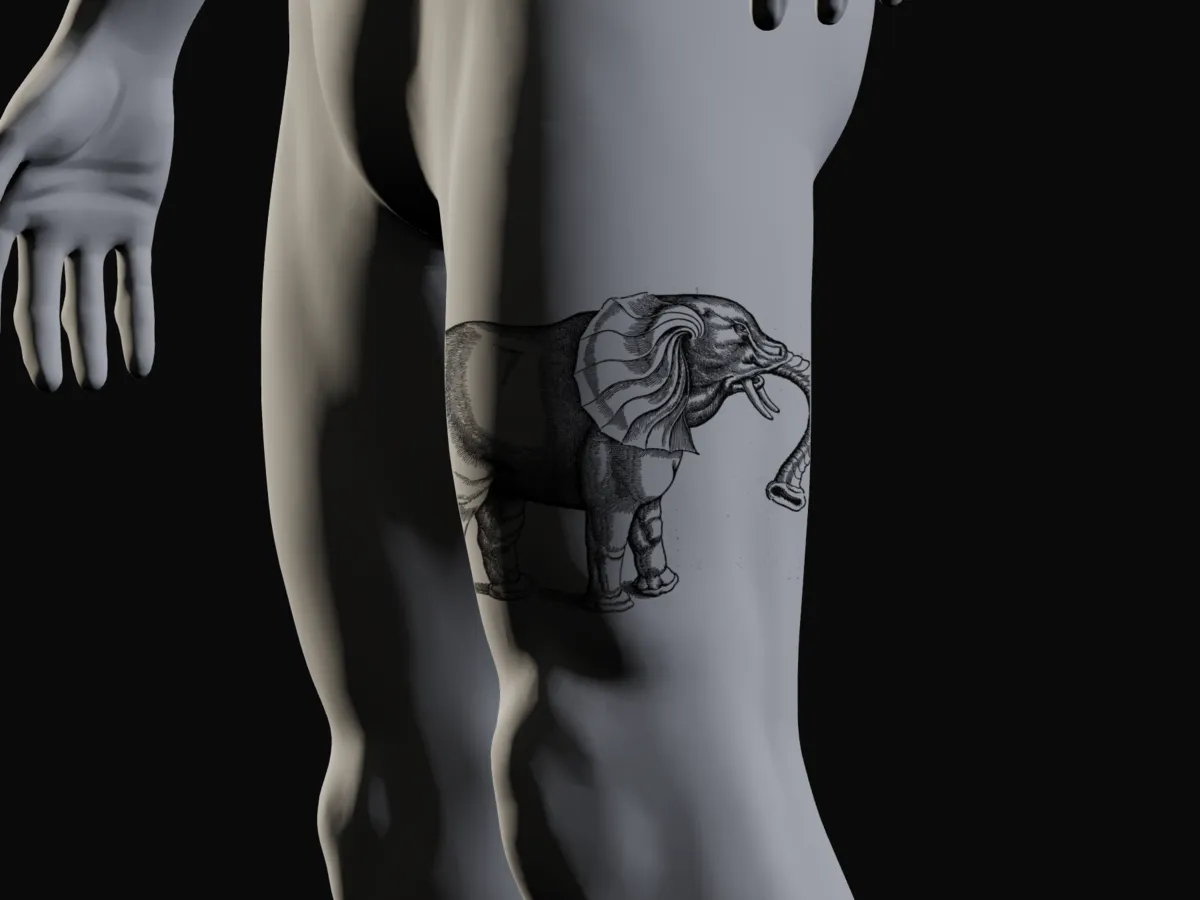
Calf
Long and rounded, like a bigger forearm. Shown by shorts. It wraps strongly round the back of the leg, so wide pieces bend out of sight.